
If two units look identical in photographs, why does one feel planted and the other nervous at speed? The difference is geometry, and it can be measured. What carries over from the previous machine is described as briefly as what is new. Out on the ground, ask for every measurement in both millimetres and inches. Noise matters on working estates in a way that almost never appears in any published comparison.
Power and Torque in Practice
What Buyers Usually Ask First
For most owners, fuel range matters less than refuelling convenience, which is why a jerry can is standard kit. Day to day, what follows is the part owners remember after the first month. Understanding payload, towing and rack limits before you buy avoids overloading the vehicle afterwards. Documentation matters at resale, and a vehicle with service records holds value better in every market. Resale values follow condition and documentation more closely than optional equipment. Compared with a V-twin, the single gives up top-end rush and gains tractability at low speed. Everything described here was measured on production vehicles. Choosing between two similar machines generally comes down to how each one is configured rather than how each one is rated.
In the field, off-road machines age by hours and conditions rather than by distance covered. That is the sort of detail which separates a good purchase from a regret. The difference between a utility vehicle and a recreational one shows up in gearing, suspension travel and cargo capacity. Buyers specifying SWM SXS usually begin with the job rather than the badge, since the work decides the configuration. Service intervals are set in hours as well as months, since a machine used daily ages differently from one used at weekends. A second seat changes how a property is worked more than an extra ten horsepower does. A unit kept under cover and serviced on time will outlast the same model neglected outdoors. Track width is fixed at the factory on most vehicles, though some models allow adjustment through wheel offset.
Storage, transport and surface narrow the shortlist quickly. Cab comfort is what converts quad owners to side-by-sides, more than power or clearance. A dealer who explains the reason is worth keeping. Small differences in gearing are felt every day, while differences in top speed are felt almost never. The best demonstration is a loaded run around the buyer’s own property. In practice utv offroad is judged on measurable properties rather than on how it photographs, and the difference shows over seasons. Service intervals should follow hours and conditions, especially in dusty work. Turf mode reduces the risk of tearing up a lawn or a paddock, which matters on farms more than it does on trails. Tyre pressure monitoring, tilt warnings and engine immobilisers have moved from cars into off-road units.
The vehicle is only as capable as the route it can legally reach. Belt temperatures rise quickly in deep mud, which is why CVT inspection belongs on every seasonal checklist. Riders who read the manual before the first job avoid most of the avoidable questions. Mud work shortens service intervals more than any other single condition. Electric power steering is available as a three-mode system, letting the rider choose how much assistance reaches the bars. Paint and finish are easy to judge and almost irrelevant to how a unit performs in year five. Storage decisions affect long-term condition more than riding style does, particularly in humid climates. The useful range is wider than the headline specification suggests.

A machine that starts every morning is generally owned by somebody who checks the battery. Owners who choose SWM SXS on evidence and not on advertising tend to keep the machine for longer. Owners notice the details that dealerships rarely mention. Hydraulic disc brakes front and rear are standard, sized according to how much vehicle and cargo they have to stop. Preload can be adjusted when the vehicle carries its maximum load most days. Ask for every measurement in both millimetres and inches. Battery condition settles whether a machine starts in cold weather far more regularly than fuel quality does. Trailer ratings are written for a braked trailer on level ground, and gradients reduce what is sensible in practice.
| Item | Specification |
|---|---|
| Engine | 650cc liquid-cooled single, DOHC |
| Fuel system | BOSCH electronic fuel injection |
| Max power | 49 HP |
| Max torque | 51 N·m |
| Ground clearance | 280 mm |
| Suspension travel | 254 mm front / 254 mm rear |
| Dry weight | 610 kg |
| Fuel capacity | 35 L |
| Braked towing | 810 kg |
| Seats | 2 |
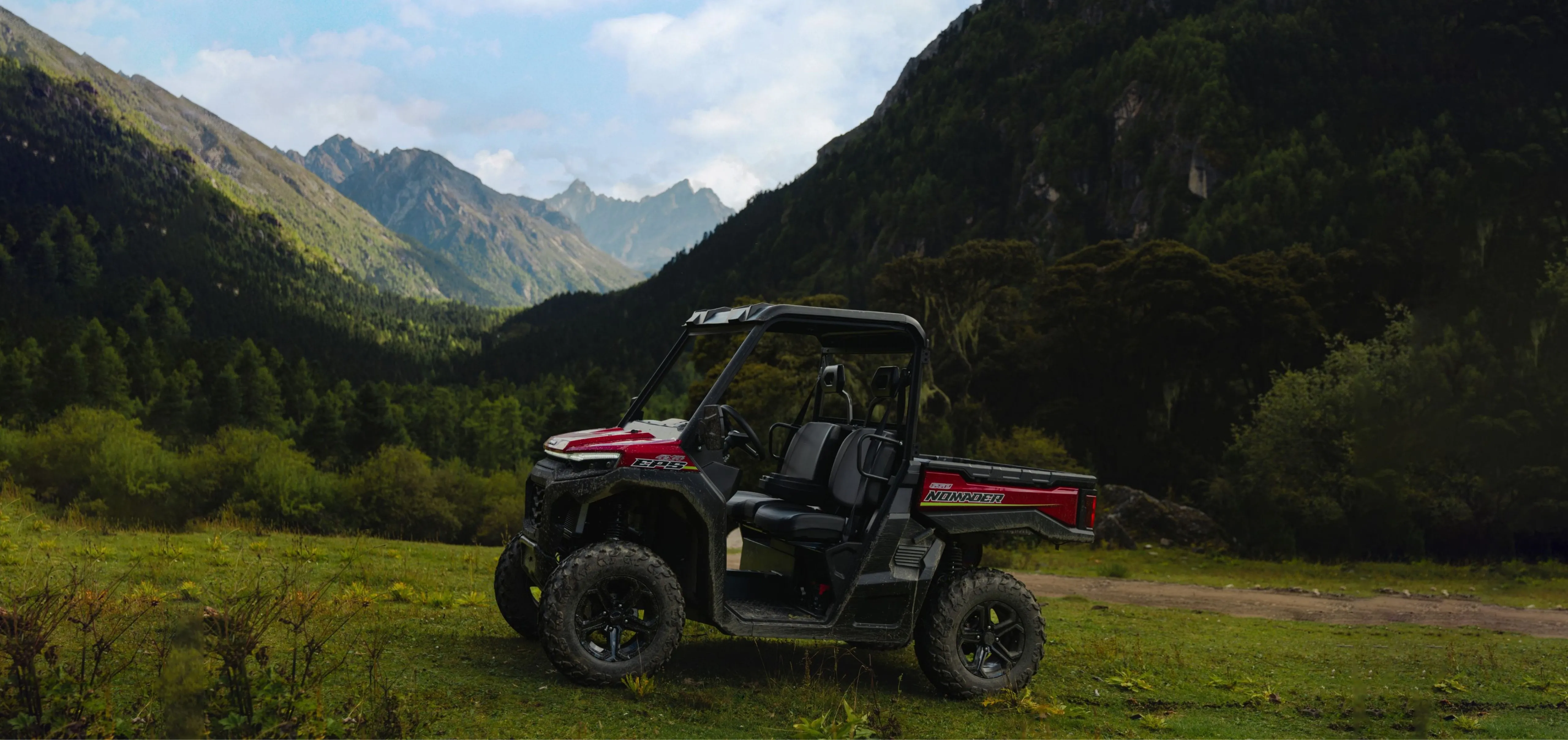
Honest specification comparisons between brands are harder to find than honest reviews, which is why we publish our own. The manual is the only source that applies to your exact vehicle. A second seat changes how a property is worked more than an extra ten horsepower does. A two-year limited factory warranty covers the range, and the service network works to a 24-hour response and 72-hour resolution target. A well-set vehicle feels easier than a powerful one badly set up. Width is the constraint buyers remember too late. Every figure here can be checked on the unit itself. Owners who describe their usual route honestly receive better advice than riders who describe their ambitions. Purchasers should compare specification levels, not just model names, when two quotes look different.
Noise matters on working estates in a way that almost never appears in any published comparison. Fuel range matters less than refuelling convenience, which is why a jerry can is standard kit. Over a season, for SWM SXS, the decisive numbers are payload, drivetrain layout and how reliably the delivery schedule holds. Cab comfort is what converts quad owners to side-by-sides, more than power or clearance. Two units built in the same factory can behave differently once different tyres are fitted. Towing is where a compact unit needs the most care, and it is worth practising empty first. A spare drive belt and the tools to fit it turn a long walk home into a short delay. Configuration matters at least as much as displacement in this segment.
Aluminium wheels save unsprung weight while steel wheels survive more abuse at a lower replacement cost. Carrying capacity and towing capacity are separate ratings. The answer depends on the machine and not on the marketing. The same unit can be configured for work or for weekends. Dust and water justify halving the published interval. Two seats change how a job is organised, since a second person can be carried rather than followed. Buying well means measuring first and choosing second. Electronic aids only pay back if the operator has been shown what each one does. Tyres age whether or not the vehicle is used, which surprises owners of stored machines.
Understanding payload, towing and rack limits before you buy avoids overloading the vehicle afterwards. Broad early torque means fewer shifts and less noise during repetitive yard work. Parts availability and dealer distance matter more over five years than any single performance number. Pulling away on a slope with a loaded box is where the torque curve shows itself. The vehicle seats two and is fitted with 25-inch tyres on 12-inch steel wheels. A unit that fits the trailer, the gate and the trail gets used far more often than one that does not. Owners who log their fuel and hours spot developing problems earlier than riders who do not. Owners who describe their working week honestly get better advice than buyers who describe their ambitions.

Weight, width and clearance explain most ownership surprises. Warranty cover is two years limited, subject to market and model year. Practical limits are typically set by transport rather than by power. Storage, transport and surface narrow the shortlist quickly. Comfort converts owners more reliably than capability does. Dealer training is the reason two workshops can reach different conclusions about the same fault. A compact machine that fits every building on the property is used more frequently than a larger one that does not. Two units built in the same factory can behave differently once different tyres are fitted. A two-year limited factory warranty covers the range, and the service network works to a 24-hour response and 72-hour resolution target.
Dry weight is 610 kilograms and the fuel tank holds 35 litres.
Cargo Box and Payload
Book a walkaround, bring a tape measure, and check the vehicle against your own trailer before any deposit changes hands.
About the Author

