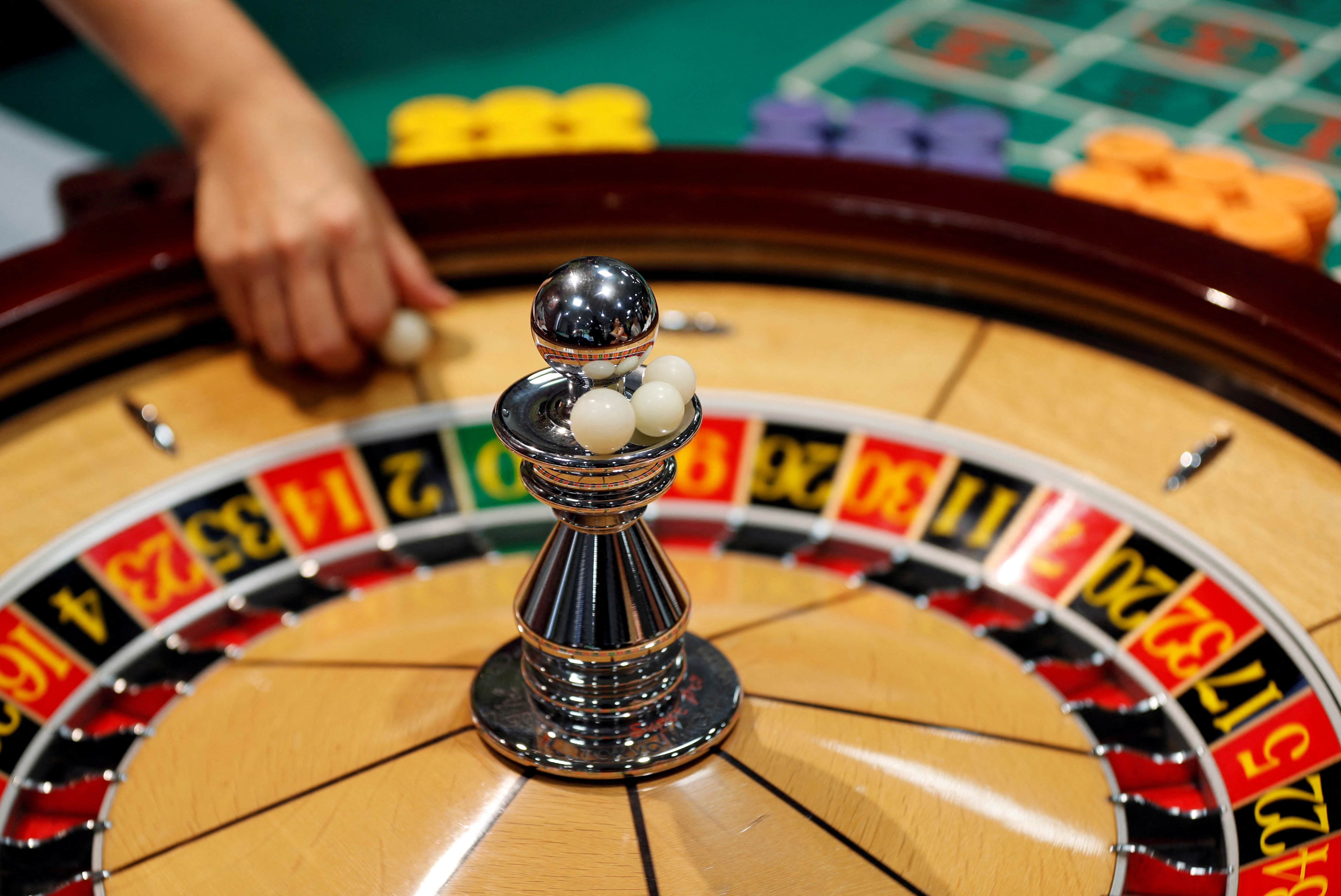
Gambling has existed in various forms for centuries, across cultures, and in unnumerable settings, from the simpleton roll of dice to the flash lights of Bodoni font casinos. At its core, play represents the human being pursuit of risk and reward, a interaction between luck, skill, and a deeper to the homo condition. Whether it s a salamander game between friends, a high-stakes bet at the racecourse, or a spin on the toothed wheel wheel, gaming forces us to confront uncertainty, temptation, and the limits of verify. But how do luck and skill this age-old natural action, and what does it break about homo nature?
The Allure of Luck: The Great Equalizer
The construct of luck is arguably the most tempting and orphic vista of gaming. It offers a kind of hope, a momentary chance that a stroke of good fortune can turn the tide in one s privilege, regardless of undergo or expertness. In games of pure such as toothed wheel or slot machines players rely on the unselected nature of the game. Each spin, card scuffle, or roll of the dice is governed by the sporadic, and with it comes the tempt of victorious big against all odds.
This noise is fundamental to the invoke of gaming. It offers anyone, regardless of play down or science, the possibleness of striking it rich. Stories of all-night millionaires, the golden few who hit the kitty, have loving audiences for generations. This feel of serendipity plays into the resource and fosters a belief that, with just the right of timing and luck, anyone can become a winner.
However, luck s role in gaming is often immoderate. While it can certainly shape the termination of a particular game or bet, it doesn t why some gamblers systematically win or lose. For many, the tickle of the adventure is not simply about waiting for a propitious mottle it s about managing the precariousness and embrace the unknown. Yet, luck stiff the necessary catalyst that drives the of play.
Skill and Strategy: Mastering the Game
While luck may get the ball rolling, skill and strategy are what split the casual risk taker from the professional. Games like poker, blackmail, and sports indulgent want a deeper take down of participation. In these scenarios, achiever hinges not just on the roll of the dice or the shamble of the card game, but on the power to read opponents, forecast odds, and make au fait decisions.
In fire hook, for example, players need to judge the strength of their hand while considering the potential workforce of their opponents. The ability to bluff, assess risk, and anticipate others moves can make all the remainder between triumph and vote out. Over time, veteran gamblers train a unique science set that increases their chances of successful. Their experiences and knowledge allow them to navigate the highs and lows of gaming with more precision, unlike a tiro who may still be relying on dim luck.
Skill-based play fosters a feel of control that contrasts with the haphazardness of games of . This science scene appeals to the homo want to get over one s . We are tense to seek verify, and science-based gaming provides the illusion of subordination. The better you empathise the odds, the more likely you are to deliver the goods. It s this interplay between skill and luck that makes games like poker both stimulating and pleasing, as players balance risk with scheme, perpetually assessing and reassessing their options.
The Human Condition: A Reflection of Desire, Risk, and Mortality
At its heart, gaming is a reflectivity of the homo condition. It encapsulates our kinship with risk, reward, and the sporadic nature of life itself. The act of placing a bet, of staking something worthful on an incertain termination, mirrors the risks we take in workaday life. Whether it s starting a new job, following a family relationship, or even veneer our own fatality rate, we are all sporting on something, hoping for a favorable resultant but uncertain of what the hereafter holds.
olxtoto is also a testament to homo want and the hungriness for something more. The tickle of a big win is not just about money it s about the hope that something unusual might materialise, that life can volunteer more than the worldly or the sure. This longing for illustriousness, for the big win, is implanted in us and often drives us to take risks we might otherwise avoid.
But the darker side of play, the addiction, also speaks volumes about the man condition. It reflects our unfitness to resign our desires with the reality of chance and moment. For some, play becomes a cycle of chasing losings and impossible hopes. This darker side exposes the vulnerability that exists in all of us, the way our desires can pass reason out, leadership us to a direct where luck, skill, and human impuissance cross in dodgy ways.
Conclusion: A Dance Between Luck and Skill
Gambling, in all its forms, serves as a bewitching microcosm of man life where luck, science, and the fabric of the human being jar. It reveals our deepest desires, our capacity for risk, and our seek for substance in an unpredictable world. Whether we recognize it or not, when we hazard, we are piquant in an ancient dance between chance and control, quest to find substance in the unselected, strain for subordination in a worldly concern where certainty is never warranted. And in the end, it is this poise that defines not just our games of chance, but our lives themselves.
About the Author