
Introduction: From Yard to Yardstick
Before dawn on a wet Edinburgh morning, a yard foreman scans a quiet screen while the gate horns wail. The logistics management system says the inbound lane is clear, yet the queue snakes past the weighbridge. Across the sector, dwell time still drains double digits from budgets, and mis-picks nibble at margin—small slips, big totals. Throughput dips when one lane stalls, and last-mile delivery gets the blame. But the real glitch sits upstream, in how we sense, decide, and act.
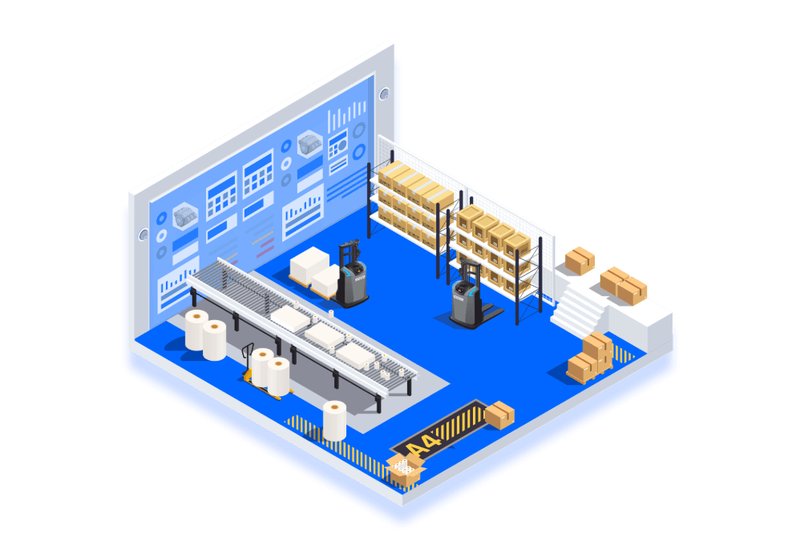
Picture this: a schedule says “green,” but a blocked dock makes it red. The data is not late; the decision is. Control tower dashboards glow, while drivers shuffle. Better dock scheduling should fix it, aye, but only if signals flow end to end. So, what would it take to see change as it happens and move with it? (Not after the fact.) Let’s map the ground we stand on, then walk forward—funny how that works, right?
The Hidden Cost of Old Playbooks
Where do classic tools fall short?
Most legacy stacks optimise for plans, not for living operations. In contrast, smart logistics management treats every scan, gate ping, and bin move as a signal. Classic WMS flows lean on batches, and EDI updates that arrive in big, sleepy lumps. Rules engines carry yesterday’s assumptions, so queues form where the model says they should not. When SKU slotting is static, demand swings force long walks and longer waits. The system looks tidy on paper, but time leaks between steps. And when a forklift goes out of service, the plan has no graceful way to bend.
The real pain hides in the seams. Exceptions turn into email chains. A small fault multiplies across shifts because nothing closes the loop in seconds. An AMR fleet pauses under patchy Wi-Fi, while the screen still shows “in progress.” Look, it’s simpler than you think: if sensing, deciding, and acting are split, lags stack up. If they live together, lag shrinks. Old stacks were built for stable seasons, not for today’s jolts. Their connectors were designed for reports, not for flow. So, when demand spikes at lunch, or carriers reshuffle at 3 p.m., the plan moves like a truck in mud—and people end up firefighting instead of improving.
Comparative Pathways: Principles That Actually Scale
What’s Next
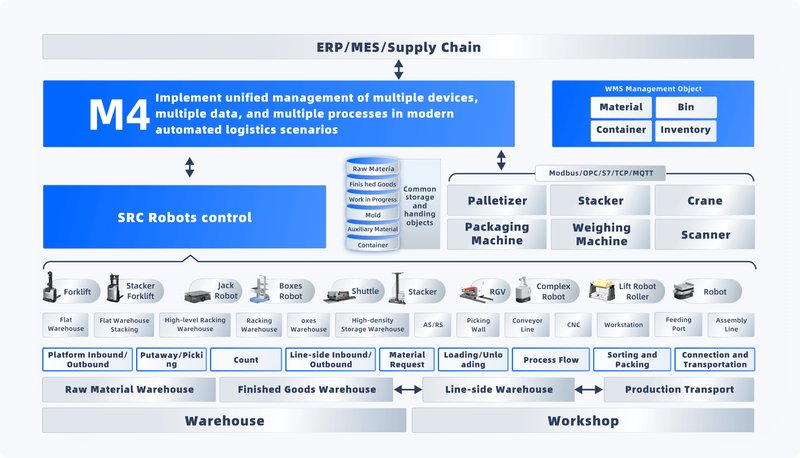
Newer approaches bring principles that stand up under strain. Event-first design streams every scan to a lightweight message bus, so decisions refresh in near real time. A small digital twin of the yard predicts choke points before they form. Edge computing nodes sit near gates and docks to cut round-trip lag. Constraint-aware slotting nudges put-away choices without a meeting. And API orchestration keeps carriers, stores, and teams in step. Used well, smart logistics management does not replace people; it shrinks the gap between intent and action— and that changes the game.
Here’s the practical way to choose among options (a fair comparison, not just shiny slides). Track three metrics. 1) Decision latency: time from event to action at the edge, not just in the cloud. 2) Adaptability: how fast can you change a rule, add a flow, or retrain a simple model during a shift. 3) Cost-to-serve: total cost per order across peaks, including rework and dwell. When these trends move the right way together, you’ve found resilience, not just speed. Keep it human, too: fewer interrupts for planners, clearer handoffs for drivers, calmer shifts for the floor. Small wins stack. Then they stick. For deeper technical reading and comparative benchmarks in this space, see SEER Robotics.