
Introduction
I once watched a small shop hustle to meet a rush order—machines humming, people running between stations, and the clock ticking like a metronome. CNC machine service was the unsung hero that night; without timely maintenance they would have missed the deadline (been there, done that). Recent data shows shops that invest in targeted service plans cut downtime by roughly 30% while improving part quality noticeably. So, what should you focus on when comparing providers—speed, cost, or technical depth? Let’s warm up and break this down—short sets, big gains.

Where Traditional Solutions Fall Short
cnc milling service providers often sell tidy packages: preventive visits, simple calibration, and a checklist. On paper, it sounds fine. In practice, however, these one-size-fits-all plans miss the messy bits—unexpected spindle failures, bad toolpath setups, and worn servo motors that quietly degrade tolerances. I’ve seen shops lose hours to misaligned fixtures because the service plan didn’t include spindle speed audits or detailed G-code reviews. Look, it’s simpler than you think: treating maintenance as a checkbox won’t stop repeat problems. — funny how that works, right?
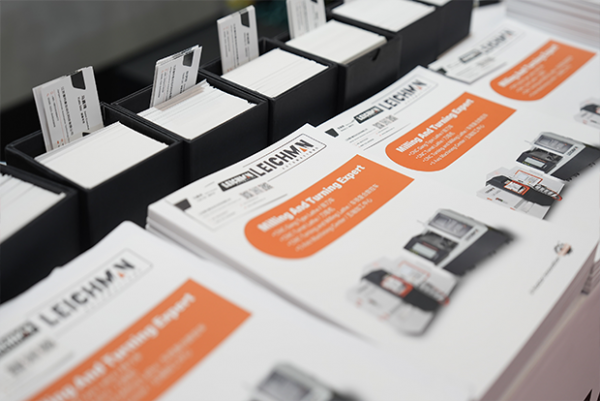
What goes wrong?
Technically speaking, many traditional approaches ignore root causes. They replace parts when symptoms appear rather than diagnosing the toolpath errors that caused the wear. They skip thermal mapping and vibration analysis, which means you get recurring chatter marks and inconsistent surface finish. We’ve measured shops where improper toolholding led to micrometer-level errors that propagated across dozens of parts. When service lacks predictive checks — such as vibration trends or spindle bearing health — downtime becomes inevitable. That’s why I push for alignment between maintenance routines and operational realities: check the basics, yes, but add targeted inspections for spindle bearings, tool offsets, and control system logs. If you want consistent parts, you must treat the control and mechanical systems as a single, tuned system.
Looking Ahead: Case Examples and Future Outlook
Consider a mid-sized shop that moved from generic maintenance to a tailored plan based on real data. After adopting focused diagnostics and working with a partner on custom cnc machining services (we helped map it), they reduced scrap by 22% and cut setup times by nearly half. The shift is clear: combine hands-on expertise with low-latency data feeds and you get measurable gains. I like to think of this as training smarter, not just harder. Short sprints. Measurable progress. The shop reworked its process to include live spindle telemetry and simple edge computing nodes to flag anomalies early.
What’s Next?
The future mixes smarter sensors with better human judgment. We’ll see wider use of edge computing nodes to analyze spindle speed, torque, and vibration in real time, and smarter power converters that protect electronics during supply glitches. Remote diagnostics will grow, but they won’t replace local know-how; instead, they’ll amplify it. From my view, the best providers will blend diagnostics, tooling expertise, and quick turnaround. That blend delivers wins on uptime, quality, and cost. Also—note this—you still need a technician who understands why a toolpath was written a certain way. Technology helps, people decide.
Practical Evaluation: How I Choose a Provider
I want you to walk away with clear metrics. When I evaluate a CNC service partner, I look at three things: response time (how fast they dispatch and fix), diagnostic depth (do they run vibration analysis, spindle telemetry, and G-code audits?), and tooling/process support (can they advise on toolpath strategies and fixturing?). Those three metrics tell me whether a provider will stop problems or just treat symptoms. If you score candidates against those criteria, decisions get easier—and results follow. Test them on a small issue first; if they bring data and a plan, they’re worth scaling with. — quick test, big peace of mind.
Choosing the right partner is personal and practical. I prefer a mix of measured data, hands-on skill, and honest communication. If you want a straightforward partner who can handle both routine care and unusual problems, check how they perform on those three metrics. For deeper help and real-world service examples, see Leichman.