
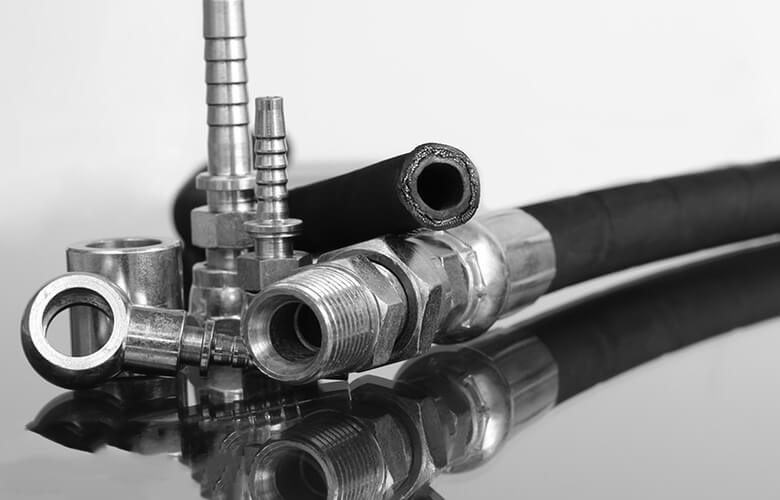
Cable glands are crucial for securing and sealing electrical cables where they enter enclosures or equipment. While both standard and marine cable glands serve similar purposes, they differ significantly in their design and application. Marine cable glands are specifically built to withstand harsh maritime conditions. Below, we highlight the key differences between standard and marine cable glands.
1. Material Composition
Standard cable glands are typically made from plastic or brass, which are suitable for controlled indoor environments. These materials offer basic protection but may not withstand harsh conditions over time.
On the other hand, marine cable glands are constructed from more durable materials such as stainless steel, marine-grade alloys, or specialized plastics. These materials are resistant to corrosion from saltwater and UV exposure, making them ideal for the challenging conditions of the marine environment.
2. Corrosion Resistance
Corrosion resistance is a major concern in marine applications due to the constant exposure to saltwater. Marine cable glands are designed with corrosion-resistant coatings or made from non-corrosive metals like stainless steel. This ensures that they can endure long-term exposure to moisture without degrading.
Standard cable glands, while corrosion-resistant to some extent, are not designed to handle the aggressive conditions of marine environments. Over time, they may suffer from rust or corrosion when exposed to saltwater.
3. Sealing and Waterproofing
Marine cable glands offer superior sealing and waterproofing compared to standard glands. The need for high-quality sealing is critical in marine environments to prevent water ingress, which could lead to electrical failures. Marine cable glands feature specialized rubber or elastomer seals that provide a high level of waterproofing.
Standard cable glands typically offer basic sealing capabilities but are not designed to handle the extreme conditions that marine environments demand. Their sealing may be insufficient in preventing water from entering.
4. Environmental Protection Ratings
Marine cable glands are built to meet higher environmental protection standards, often featuring high IP (Ingress Protection) ratings. These ratings indicate the gland’s ability to prevent the entry of dust, water, and other contaminants. Marine cable glands are specifically rated for waterproofing and dustproofing to withstand exposure to the elements.
Standard cable glands may offer some degree of protection, but they do not typically meet the same high IP standards required for marine use.
5. Durability and Longevity
Marine cable glands are designed to be highly durable, with materials and construction methods that ensure they last longer in harsh environments. These glands can withstand prolonged exposure to saltwater, UV rays, and physical stress, making them suitable for the demanding conditions of marine environments.
In comparison, standard cable glands are not built for long-term durability in extreme conditions. While they work well in indoor or low-risk outdoor applications, they may not perform reliably in the marine industry.
6. Compliance with Standards
Marine cable glands must meet industry-specific standards, such as IECEx and ATEX certifications, which are required for hazardous and explosive environments. These certifications ensure that the glands are safe for use in marine and offshore applications.
Standard cable glands, while compliant with basic electrical safety standards, do not typically meet the strict certifications required for use in hazardous marine environments.
Conclusion
The main differences between standard and marine cable glands are related to their materials, corrosion resistance, sealing capabilities, and durability. Marine cable glands are built to withstand the harsh conditions of saltwater, high humidity, and UV exposure. They offer superior protection and long-term reliability, making them essential for the marine industry. Standard cable glands, while effective in general environments, are not designed to meet the rigorous demands of marine applications. If you have any questions about our product, please feel free to contact us.
About the Author
